How to Choose the Best Silver Powder Coat for Your Project?
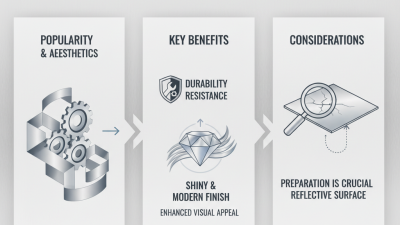
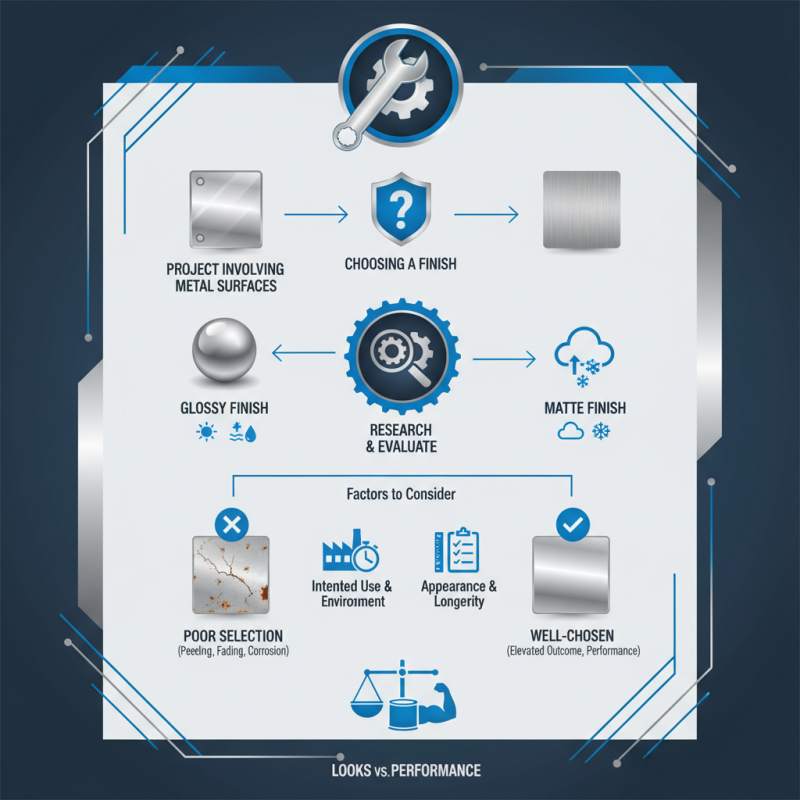
When embarking on a project involving metal surfaces, choosing the right finish is crucial. One popular option is the Silver Powder Coat. Its dazzling finish enhances the aesthetic appeal while providing durability. However, not all silver powder coats are created equal. Understanding their differences is essential.
Selecting a Silver Powder Coat can be overwhelming. Various factors come into play, such as the intended use and environmental conditions. Some silver powder coats offer glossy finishes, while others provide a matte look. Each type has unique properties that affect appearance and longevity. Given the numerous options available, making an informed decision becomes a challenge.
Take the time to research and evaluate your project requirements. A well-chosen silver powder coat can elevate the final outcome. Nevertheless, mistakes often happen. A poor selection can lead to peeling, fading, or corrosion over time. Reflecting on past errors can guide you towards a better choice. Ultimately, the right silver powder coat is not just about looks; it’s about performance too.
Understanding the Basics of Silver Powder Coating
Silver powder coating is a popular finishing technique. It offers durability and aesthetic appeal. Understanding the basics of silver powder coating can help in making informed choices for a project. Typically, powder coatings are made from resin, pigment, and additives. They provide a strong and resilient surface.
According to industry reports, over 80% of powder coating users report improved durability compared to traditional liquid paint. This durability comes from the high cross-linking density during curing. However, application can be tricky. Uneven application may lead to thin spots or runs. These imperfections can compromise the overall finish.
Color matching is another important factor. Silver powder coating can vary in shade and gloss level. It’s essential to test samples before committing to a quantity. Additionally, the curing process must be closely monitored. Deviations in temperature or time can affect adhesion and appearance. Attention to detail in these areas can make a significant difference in the final outcome.
Comparison of Popular Silver Powder Coat Finish Types
Evaluating Different Types of Silver Powder Coats
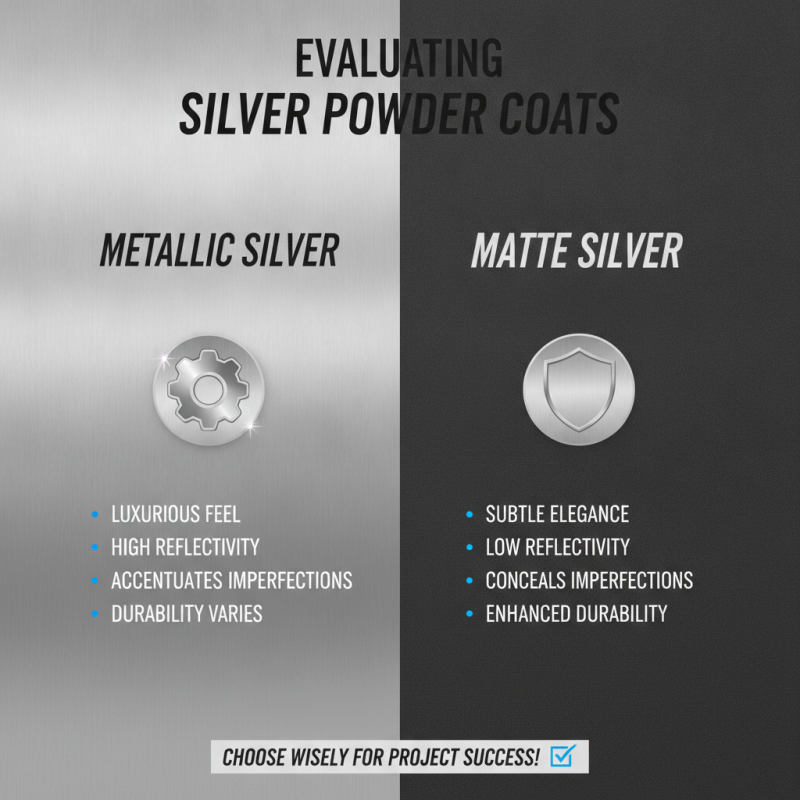
Choosing the right silver powder coat can greatly impact your project's final look and durability. Different types of silver powder coats come with varied finishes, from metallic to matte. The finish affects not only aesthetics but also how well the coat hides imperfections. A metallic finish can add a luxurious feel. However, it may reflect defects more than a matte alternative.
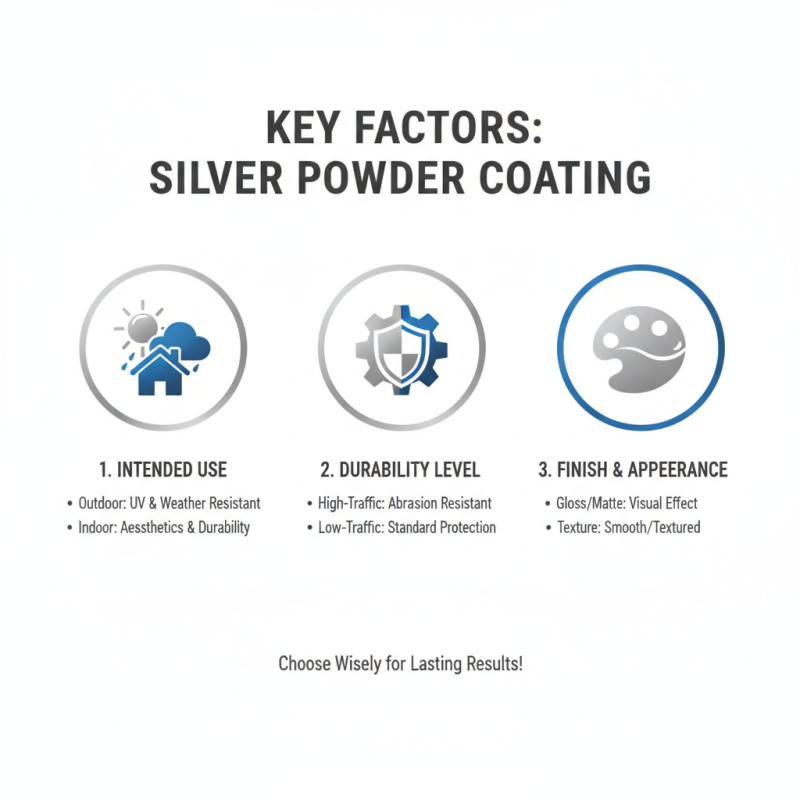
When evaluating types, consider your project's specific needs. Some powders offer better corrosion resistance. Others are more suited for high-temperature applications. Check the thickness of the coat as well. A thicker application may provide better coverage, but it can complicate subsequent layer applications. Don't overlook the curing process. Each type requires a different temperature and time, which can affect efficiency.
Reflect on the intended use of your project as well. Is it for indoor or outdoor use? Indoor projects might not need as robust a coating. You could end up over-engineering your solution. Ultimately, researching and testing a few options can help clarify the best choice for your silver powder coat. Make informed decisions to avoid costly mistakes.
Application Techniques for Silver Powder Coating
When applying silver powder coating, the technique can significantly impact your project's outcome. Start by preparing the surface meticulously. Any dirt or grease can prevent a proper bond. Use a degreaser for a clean finish. Proper surface preparation is crucial. It can mean the difference between a durable coat and premature fading or chipping.
Next, choose the right application method. Electrostatic spraying is popular because it ensures even coverage. The charged powder particles stick better to the grounded surface. This method reduces waste and improves efficiency. However, it requires practice. Achieving the right distance and angle takes time. Be patient and adjust your technique as needed.
Moreover, curing is vital. Follow the manufacturer's specifications carefully. Inconsistent curing can lead to defects. Monitor the temperature and time closely. Improper curing may result in a dull finish. Reflect on each step and learn from any mistakes. This iterative process enhances your skills and builds confidence in your work.
Tips for Achieving Optimal Results with Silver Powder Coating
Achieving optimal results with silver powder coating requires careful attention to detail. Start by ensuring the surface is clean and free of debris. Any contaminants can become trapped, affecting the finish. Properly prepare the item by sanding, cleaning, and pre-treating the surface. This step enhances adhesion and durability of the coating.
Temperature control is crucial during the application process. Ideally, the workspace should be between 70°F to 80°F. This helps in achieving a smooth, even coat. However, fluctuating temperatures can lead to imperfections. Keep track of your environment. Using a spray booth can minimize dust and other particles disrupting the coating.
Be mindful of application techniques. The distance from the nozzle to the surface impacts the coverage. Practicing on scrap material can help refine your approach. After application, curing the coat properly is essential. Follow the recommended temperature and time for optimal results. Experiment with different methods, noting what works best. Each project can present unique challenges. Embrace the learning process and adapt as needed.