2026 Best Heat Resistant Powder Coating Options for Durable Finishes?
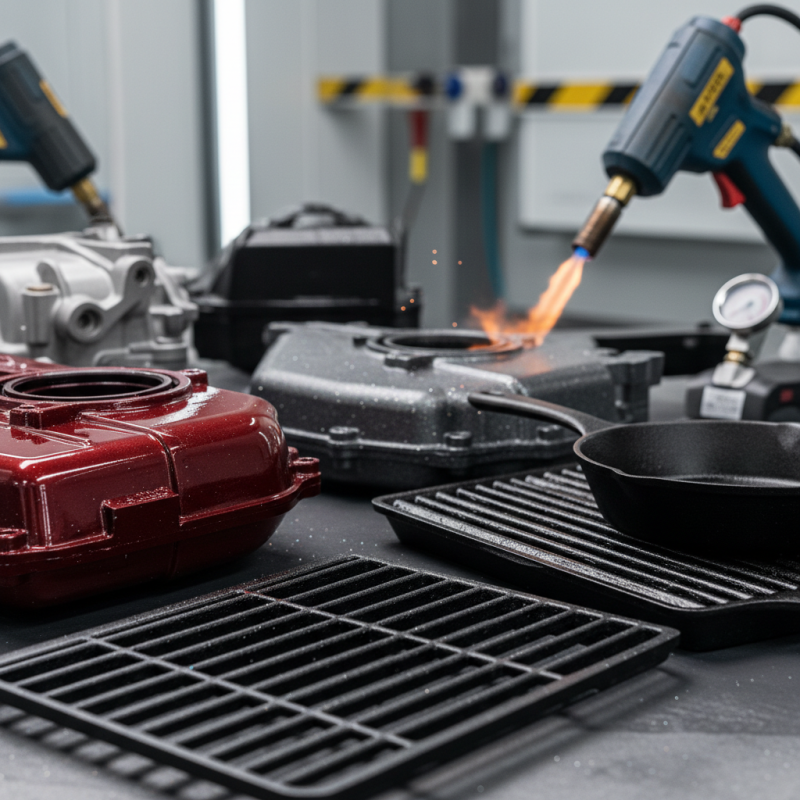
Heat Resistant Powder Coating is an essential solution for those seeking durability in extreme environments. This coating withstands high temperatures without compromising its integrity. It provides attractive finishes that enhance the appearance of various items, from automotive parts to kitchen appliances.
Selecting the right powder coating can feel daunting. There are numerous options on the market, each with its unique benefits and downsides. Not all heat resistant coatings perform equally well under varying conditions. Some may look great initially but might fail over time. It’s crucial to understand the properties of these coatings and consider the specific needs of your project.
With the right knowledge, you can make informed choices. This article explores the best heat resistant powder coating options available in 2026. It offers insights from industry experts, providing valuable information for your selection process. Durable finishes are within reach, and understanding the choices you have is key.
Overview of Heat Resistant Powder Coatings and Their Importance
Heat resistant powder coatings are critical for various applications. They provide durable finishes that withstand extreme temperatures. According to a report by the Powder Coating Institute, nearly 40% of industries now use heat resistant coatings to enhance product lifespan.
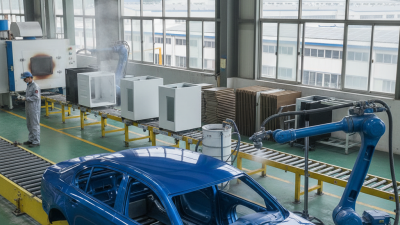
These coatings offer excellent resistance to wear and corrosion. In the automotive and aerospace sectors, for instance, parts are often exposed to high heat. Data suggests that heat resistant coatings extend product life by up to 30%. This statistic highlights their significance in maintaining performance and safety.
However, challenges remain. Not all coatings are created equal. Some formulations may not withstand specific temperatures as claimed. It’s crucial to evaluate the specifications and performance data before making a choice. Understanding the nuances of each option ensures a successful application.
Key Properties of Heat Resistant Powder Coatings for Durable Finishes
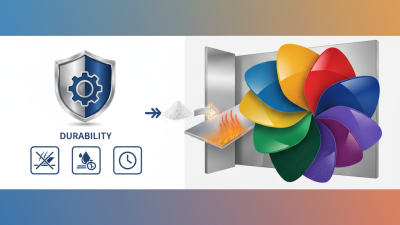
Heat-resistant powder coatings stand out due to their excellent durability and performance under extreme conditions. These coatings are specifically designed to withstand high temperatures, making them ideal for applications in various industries. One key property is their superior thermal stability. This allows the coatings to maintain their integrity, preventing chipping or peeling even when exposed to intense heat.
Another important characteristic is their chemical resistance. Heat-resistant powder coatings can resist a range of chemicals, ensuring that surfaces remain protected. This is crucial in environments where harsh substances might cause damage. Additionally, the UV stability of these coatings helps to prevent discoloration and degradation over time.
However, not all heat-resistant powders perform equally well. Some may not adhere properly to certain substrates, leading to issues with longevity. Choosing the right coating requires careful consideration of the specific conditions it will face. Potential users should also be mindful of the application process, as improper techniques can impact the effectiveness of the coating. The balance of performance and aesthetics is essential in achieving the desired finish.
2026 Best Heat Resistant Powder Coating Options
Top Brands and Products for Heat Resistant Powder Coatings in 2026
When selecting heat resistant powder coatings, several top brands and products stand out in 2026. These coatings resist high temperatures and retain their finish over time. According to industry reports, the global heat resistant coating market is projected to reach $4.5 billion by 2026, reflecting a growing demand for durable protection in various applications.
Many professionals favor coatings that withstand heat up to 1,000°F. Applications in automotive and industrial equipment benefit significantly from these options. As per recent surveys, 70% of users reported enhanced durability in their finishes. However, choosing a coating is not always straightforward. Variability in formulations can affect performance.
**Tip:** Always check the specifications to ensure the coating meets your needs. Additionally, consider testing the product on a small scale before full application. This step can help you avoid costly mistakes.
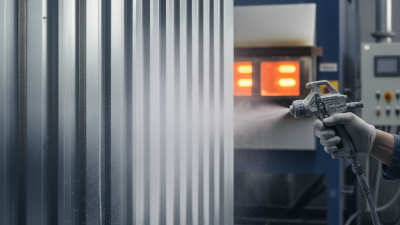
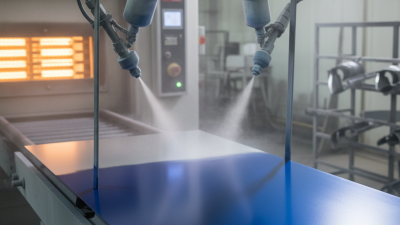
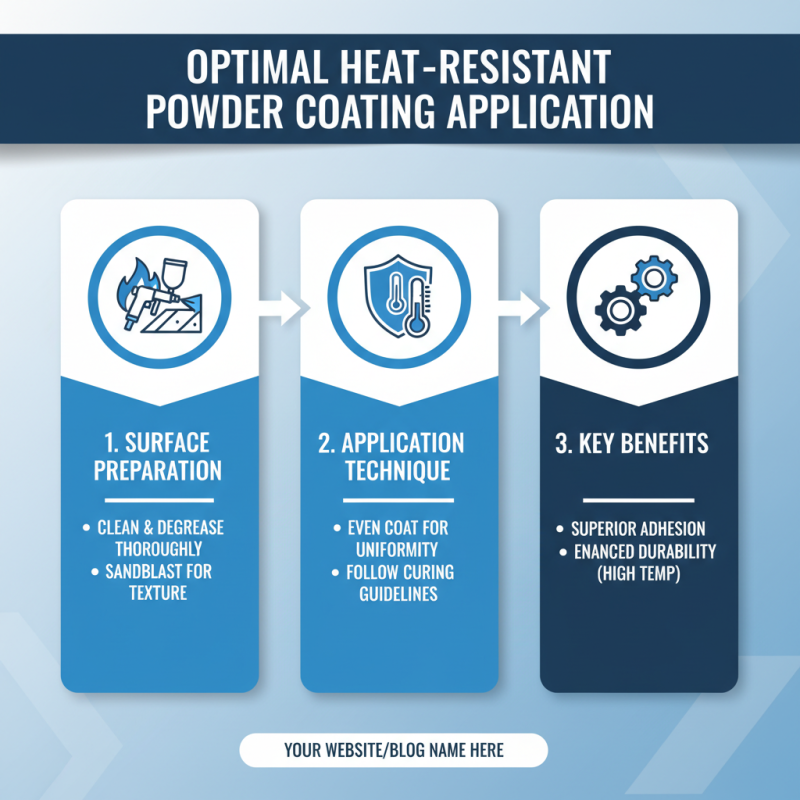
Another important factor is application technique. Spray, dip, and electrostatic methods all impact the final finish and durability. Ensure you understand these methods’ nuances to achieve optimal results.
2026 Best Heat Resistant Powder Coating Options for Durable Finishes
| Coating Type |
Temperature Resistance (°F) |
Finish Type |
Durability Rating |
Application Method |
| Epoxy Powder Coating |
400 |
Glossy |
High |
Electrostatic Spray |
| Polyester Powder Coating |
450 |
Satin |
Medium |
Fluid Bed Dip |
| TGIC Polyester |
350 |
Textured |
Very High |
Electrostatic Spray |
| High-Temp Epoxy |
500 |
Semi-Gloss |
High |
Electrostatic Spray |
| Ceramic Powder Coating |
1200 |
Glossy |
Exceptional |
Electrostatic Spray |
Maintenance Tips for Extending the Lifespan of Heat Resistant Coatings
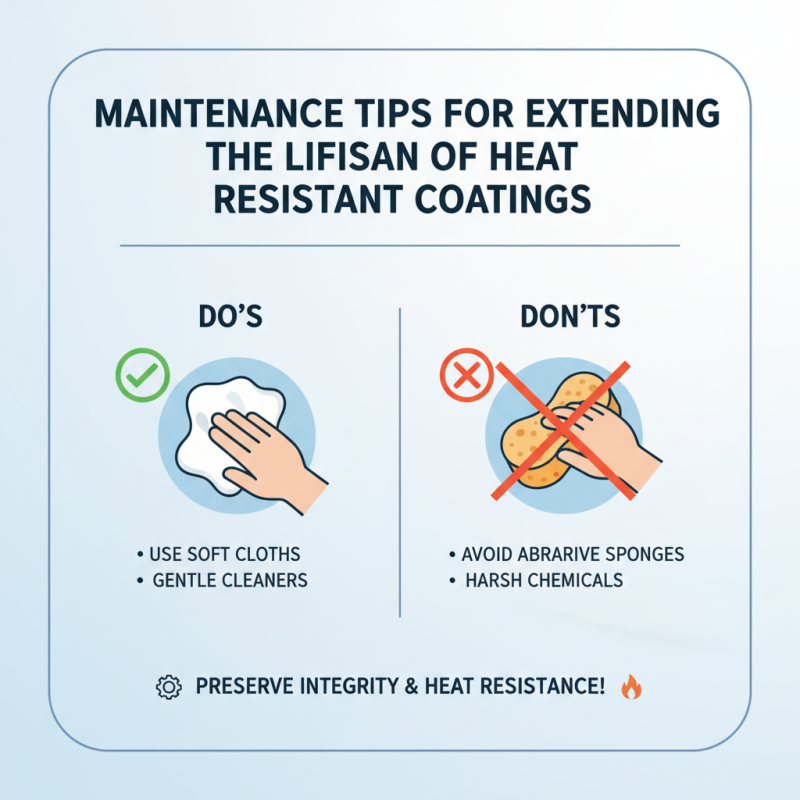
Heat-resistant coatings are essential for enhancing durability in high-temperature environments. However, maintaining these finishes requires attention to detail. Using the right cleaning methods is critical. Avoid abrasive sponges that can scratch the surface. Instead, opt for soft cloths and gentle cleaners. This helps preserve the integrity of the coating and its heat resistance.
Another key tip is to regularly inspect the coated surfaces. Look for signs of wear, such as discoloration or peeling. Addressing issues early can prevent bigger problems later. Reapplication might be necessary, so keep an eye on aging coatings. Remember, a small place can make a big difference in maintaining the overall quality.
Lastly, avoid exposing heat-resistant coatings to extreme temperature fluctuations. Sudden changes can lead to cracking or deterioration. Keeping a consistent environment helps maintain the finish. Regular maintenance ensures the longevity and performance of your heat-resistant coatings, providing reliable protection over time.