Top Tips for Choosing Polyester Powder Paint for Your Projects?
Choosing the right polyester powder paint for your projects can be daunting. According to industry expert Dr. Emily Carter, “The color and finish of your choice define the project’s success.” With various options available, understanding the nuances of polyester powder paint is crucial.
Polyester powder paint offers exceptional durability and aesthetic appeal. It's resistant to weathering, chemicals, and corrosion. However, not every option suits every project. You may find some products are not as vibrant after exposure. This inconsistency can lead to disappointment. It's worth investing time in research and testing samples.
Besides durability, consider the application method. Some polyester powder paints require specific techniques for optimum results. Knowing this can prevent issues during application. Another aspect to reflect upon is the environmental impact. While many are eco-friendly, not all manufacturers focus on sustainable practices. Careful selection ensures your project shines while being mindful of the planet.
Understanding the Basics of Polyester Powder Paint and Its Benefits
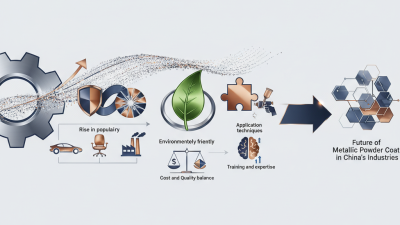
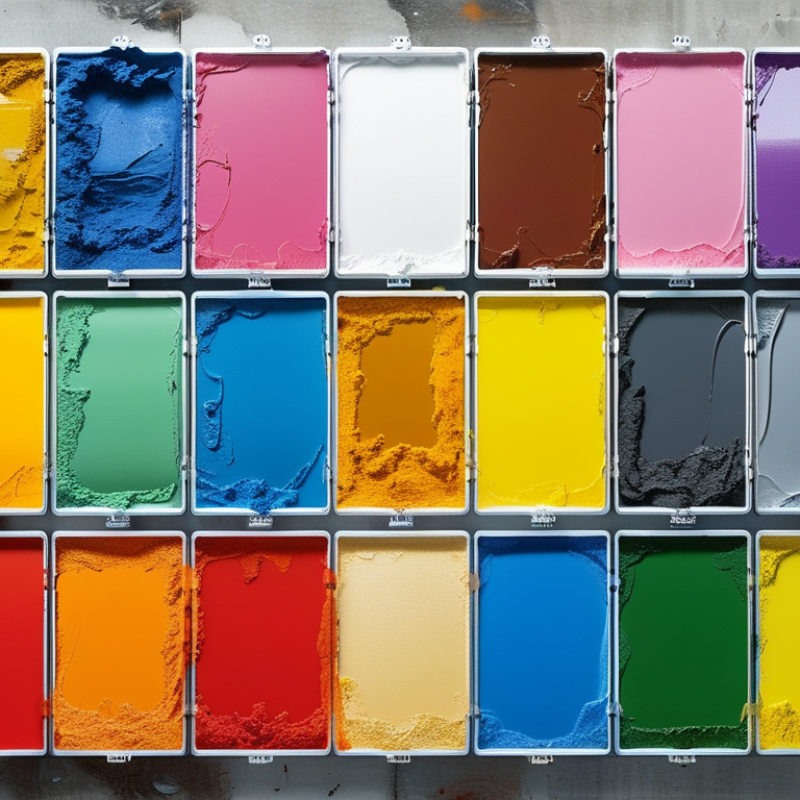
Polyester powder paint is gaining popularity in various projects, from home renovations to industrial applications. Its strong adherence means it coats surfaces evenly, creating a sleek finish. This type of paint is also resistant to scratches and chemicals, making it long-lasting. When choosing polyester powder paint, consider the environment where it will be applied. Outdoor projects benefit from its UV resistance, ensuring colors remain vibrant over time.
Understanding the basics of polyester powder paint reveals its benefits. It’s eco-friendly since it emits no volatile organic compounds (VOCs). Additionally, the application process is less wasteful than traditional paints. The powder can be reused, minimizing material loss. However, achieving the right finish requires careful preparation. Proper cleaning and priming of surfaces are crucial. Without this step, the paint may not adhere well, leading to peeling or bubbling.
You should also explore various color options. Finishing touches can significantly impact the final look. Sometimes, achieving the desired shade may require multiple coats. Be patient and allow for adequate drying time between applications. Balancing perfection with practicality can be a challenge. Reflecting on past experiences with powder paint can help refine your technique for future projects.
Top Tips for Choosing Polyester Powder Paint for Your Projects
Key Considerations When Selecting Polyester Powder Paint Types
When choosing polyester powder paint, various considerations come into play. One crucial aspect is durability. According to industry reports, polyester powder coatings can withstand harsh environments. They are resistant to UV rays, corrosion, and chemicals. This makes them ideal for outdoor applications. Many professionals recommend testing against industry standards to ensure reliability.
Another factor is color retention. Research indicates that polyester paints maintain their color better than alternatives. This is particularly important for projects exposed to sunlight. High-quality polyester powder paints can resist fading for years. However, not all products meet these standards. Buyers must verify that the paint accounts for colorfastness, especially in vibrant hues.
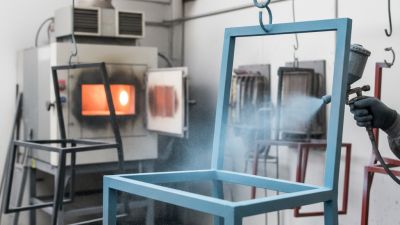
Application methods also matter. Some polyester powders are designed for electrostatic spray application, while others are suited for fluidized beds. Each technique has its benefits and limitations. Proper testing and experimentations can reveal what works best for specific projects. Therefore, professionals often advise conducting preliminary trials before the final decision.
Evaluating Color Options and Customization for Your Project Needs
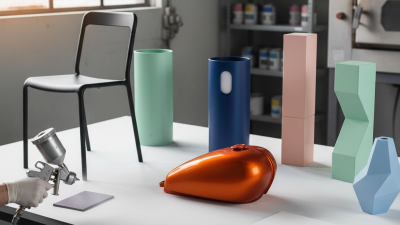
Choosing the right polyester powder paint for your projects involves careful consideration of color options. A survey conducted by the Powder Coating Institute found that 63% of project failures stem from poor color selection. Selecting the wrong hue can lead to mismatched aesthetics and decreased customer satisfaction. It's crucial to evaluate the environment and intended use when choosing colors.
Customization is another critical factor. According to a report by the Freedonia Group, the demand for customized coatings is increasing at a rate of 4% annually. Customers often seek unique colors or finishes that align with their brand identity. The ability to customize can differentiate a project in a competitive market. However, too many options can lead to decision fatigue, making it essential to narrow choices to suit specific needs.
As you explore color options and customization, consider how they fit the overall vision of your project. Not every color will perform equally in varying environments. Some shades may fade more quickly under UV exposure, while others might not adhere well to specific materials. A comprehensive color analysis can minimize the risk of such issues, ultimately enhancing the durability and appeal of your project.
Assessing Application Techniques and Equipment Compatibility
When selecting polyester powder paint, understanding application techniques and equipment compatibility is vital. According to industry reports, the right equipment can significantly enhance efficiency and output quality. Choosing the appropriate spray system can make a difference in how evenly the paint adheres and cures. Equipment that uses electrostatic principles may provide better coverage, especially on complex geometries.
Tips: Check the specifications of your spray equipment. Ensure it can handle the powder characteristics of your chosen paint. Consider factors like nozzle size and airflow. A suitable spray setup leads to better finish and durability. But not all systems are equal. Sometimes, existing tools may require modifications, which can be an additional expense.
Additionally, consider the environmental conditions during application. Temperature and humidity affect the curing process. Data indicates that applying in optimal conditions can enhance the paint’s attributes. However, in practical scenarios, these conditions may fluctuate. Adapting to these changes might require more planning and adjustments in techniques to maintain quality outcomes. Always assess the compatibility of your surfaces as well; not all materials respond similarly to polyester coatings.
Top Tips for Choosing Polyester Powder Paint for Your Projects
| Parameter |
Description |
Compatibility |
| Color Selection |
Polyester powder paints come in a wide variety of colors and finishes. |
Compatible with standard color matching systems. |
| Application Method |
Can be applied via electrostatic spray, fluid bed, or other methods. |
Requires specific equipment based on the method chosen. |
| Curing Conditions |
Curing temperature typically ranges from 350°F to 400°F for 10-20 minutes. |
Compatibility with ovens or curing stations that reach required temperatures. |
| Durability |
Highly resistant to chipping, scratching, and fading. |
Ideal for outdoor and industrial applications. |
| Environmental Considerations |
Low VOC emissions compared to traditional liquid paints. |
Supports eco-friendly project requirements. |
Exploring Environmental and Safety Factors in Powder Coating
When selecting polyester powder paint, environmental and safety factors are critical. Powder coating is often favored for its minimal waste and lower VOC emissions. This method can significantly reduce air pollution. Ensure you understand local regulations regarding hazardous materials. It’s essential to choose a supplier who is transparent about their safety practices.
Consider the safety of the workplace too. Proper ventilation is vital when applying powder paint. Inhaling dust particles might pose health risks, so ensure that your environment is safe. Using personal protective equipment (PPE) like masks and goggles is advisable. Training workers on safety measures safeguards everyone involved.
Tips for choosing the right polyester powder paint include looking for certifications that indicate low toxicity and environmental impact. Check for compliance with safety regulations. Also, explore options that showcase recyclability. Testing various samples can help you understand differences in quality and finish. Remember, not all powders are created equal. Prioritize options that blend performance with safety.