How to Choose the Best Powder Coating for Your Project?
Choosing the right powder coating for a project can be a daunting task. Industry expert Mike Thompson states, "The perfect powder coating hinges on understanding your specific needs." This simple truth emphasizes the importance of careful consideration in the selection process.
Powder coating offers durability and a vibrant finish for various applications. With multiple colors, textures, and performance characteristics available, each choice carries implications for the final outcome. The goal is not only aesthetics but also longevity and resistance to wear. A selection made in haste can lead to disappointments down the line.
Many options exist in the powder coating market. Navigating this landscape requires knowledge of the materials and processes involved. An experienced eye can help identify the ideal powder for unique applications. However, even seasoned professionals recognize that every project presents its own challenges. Reflections on past projects highlight the need for thorough research and evaluation. The stakes are high, and the right decision can enhance both appearance and performance.
Understanding Powder Coating Types and Their Applications
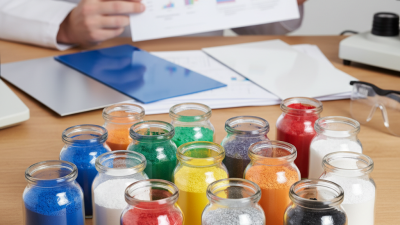
When it comes to powder coating, understanding the types available is crucial for success. There are primarily two categories:
thermoset and thermoplastic powders. Thermoset powders cure through a chemical reaction and offer superior durability.
They are excellent for outdoor applications, where weather resistance is vital. On the other hand, thermoplastic powders can be
reshaped upon heating, making them suitable for applications requiring repair or flexibility. Each type serves distinct purposes,
so knowing the right match for the project is essential.
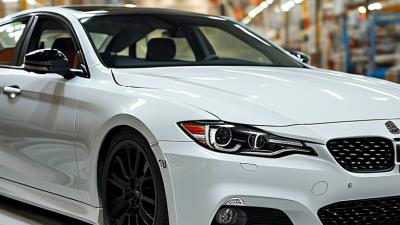
Applications of powder coating vary widely. Automotive parts often use thermoset powder due to the need for a tough finish against
corrosion. This is especially important for wheel rims and body panels, which must withstand harsh environments. In contrast, home
appliances might favor thermoplastic powders, thanks to their ease of repair. In some cases, a project might require a mix of both
types for optimal results.
Choosing the best powder coating involves evaluating the end use, environmental exposure, and desired aesthetics. It’s a decision that
requires careful thought and sometimes trial and error to achieve the desired finish.
Factors to Consider When Choosing Powder Coating Materials
Choosing the right powder coating for your project requires careful consideration of various factors. The type of substrate, for instance, plays a crucial role. Metal surfaces, plastics, and wood each have their own compatibility with different powder materials. According to a report by the Powder Coating Institute, choosing the appropriate coating for your substrate can improve adhesion by 40%. This not only enhances durability but also the aesthetic appeal of your finish.
Another significant factor is the intended use of the coated object. Will it be exposed to harsh chemicals or extreme weather conditions? Understanding environmental conditions can inform your choice of resin and pigment. For example, epoxy-based coatings offer excellent corrosion resistance, making them suitable for industrial applications. However, they might not resist UV light well, leading to fading. Always analyze the trade-offs involved with your specific requirements.
Selecting the right color and finish is also essential. A matte finish might minimize fingerprints but can be more challenging to clean. Conversely, gloss finishes are easier to maintain. In 2022, industry data indicated that over 60% of consumers prefer a gloss finish for aesthetic reasons. Yet some users might find the glare distracting, suggesting a need for personal preference reflections.
When selecting a powder coating, consult industry professionals. Their insights can guide you through the nuances of different materials and their applications. Understanding your project’s specific needs is key to achieving an optimal outcome.
Factors to Consider When Choosing Powder Coating Materials
This chart illustrates the importance ratings of key factors to consider when selecting powder coating materials for your project. Each factor is evaluated on a scale from 1 to 10, showcasing the primary considerations that affect decision-making in powder coating. Durability is rated the highest, emphasizing its critical role in material selection.
Evaluating Powder Coating Performance: Durability and Finish Quality
When selecting powder coating for a project, durability and finish quality are crucial factors. A study from the Paint Research Association found that high-quality powder coatings can outperform traditional liquid paints in various environments. They are resistant to chipping, fading, and scratching, which enhances the longevity of coatings used on metals. However, not all powder coatings are created equal. Variability in formulations can lead to differences in performance, requiring careful evaluation.
Finish quality directly influences aesthetics. According to data from the Professional Coatings Institute, coatings with superior gloss and texture can significantly enhance visual appeal. While smooth finishes can look sleek, textured options may hide imperfections better. This diversity allows customization, but it also introduces challenges. One must balance achieving the desired look with the practical application requirements.
It's important to consider the specific application of the powder coating. For instance, industrial applications may prioritize resistance to chemicals and extreme conditions. Conversely, decorative applications might require high visual standards. Understanding these nuances helps avoid mismatched expectations. Ongoing advances in powder coating technology highlight the importance of thorough research in selecting the ideal product for each unique project.
Environmental Impact and Safety Standards in Powder Coating
When selecting powder coatings, environmental impact and safety standards are pivotal. Powder coatings are often praised for their low volatile organic compounds (VOCs). This reduces harmful emissions into the air during application. However, not all powder coatings are created equal. Some colors might contain hazardous materials. Always check the material safety data sheets.
Choosing a product with eco-friendly certifications is wise. These coatings are designed with sustainability in mind. Research indicates that eco-certified powders provide equal performance without compromising your safety. This balance between quality and environmental consciousness is crucial for your project.
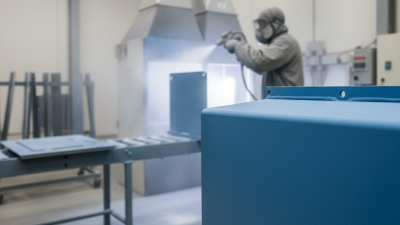
Evaluate the safety measures during application. Proper ventilation is necessary to maintain air quality. Wearing appropriate protective gear can prevent exposure to harmful particles. It may feel cumbersome, but it is essential for health. Be mindful when learning about the environmental standards relevant to your project. Enforcing these practices will enhance the safety and sustainability of your work.
How to Choose the Best Powder Coating for Your Project? - Environmental Impact and Safety Standards in Powder Coating
| Coating Type |
Environmental Impact |
Safety Standards |
Typical Applications |
| Epoxy Powder Coating |
Low VOC emissions, biodegradable options available |
Meets ASTM and ISO standards |
Industrial equipment, automotive parts |
| Polyester Powder Coating |
UV resistant, minimal waste |
Complies with EPA standards |
Outdoor furniture, bicycle frames |
| Hybrid Powder Coating |
Reduced solvent use, recyclable components |
ISO 14001 certified |
Home appliances, metal components |
| Acrylic Powder Coating |
Low environmental impact, high durability |
Certified for low hazardous materials |
Decorative finishes, signage |
| Metallic Powder Coating |
Potential for heavy metal content, use responsibly |
Meets federal regulations |
Art installations, custom automotive finishes |
Cost Considerations and Budgeting for Powder Coating Projects
When budgeting for powder coating projects, cost factors play a vital role. The price of powder coating can vary significantly based on the complexity of your project. For example, intricate designs will often increase costs due to the additional time and materials required. Labor charges can also fluctuate depending on the skill level of the workers involved.
Understanding material types is essential. Different powders have different price points. Specialty powders may cost more but offer superior finishes. Skimping on material quality can lead to poor results. If the coating fails early, you may face higher long-term costs for redoing the work.
Often overlooked is the need for surface preparation. Investing time and resources in proper preparation can save money in the long run. Poorly prepared surfaces may result in adhesion problems, leading to extra expenses. Reflecting on your budget will give clarity on what quality and finishes you can achieve. Having a clear vision of your project's goals will ensure you remain within budget while maintaining a high standard.