How to Choose Durable Powder Coating for Your Products?
In today's competitive manufacturing landscape, selecting the right coatings for products is crucial. Durable Powder Coating stands out due to its resilience and finish quality. According to a report by Smithers Pira, the global market for powder coatings has been projected to grow by over 5% annually, indicating strong demand from various industries. This highlights the importance of informed decisions in choosing coatings.
Expert Tim Johnson, a renowned specialist in coatings, once stated, "Investing in Durable Powder Coating reduces long-term maintenance costs significantly." His insights reflect the necessity of prioritizing durability in product design. It is essential to understand how different powder coating options can impact not only appearance but also the lifespan of your products.
Choosing the right Durable Powder Coating involves examining materials, environmental factors, and application methods. Yet, many overlook these aspects, leading to costly mistakes. Manufacturers must reflect on their choices, considering both immediate performance and long-term implications in their product development strategies.

Understanding Powder Coating: Composition and Types
Powder coating is a popular finishing technique. It offers a durable and aesthetically pleasing surface. Understanding its composition and types can help in making informed choices.
There are two main types of powder coatings: thermosetting and thermoplastic. Thermosetting powders cure and harden when heated. They form a strong bond, making them suitable for high-temperature environments. Meanwhile, thermoplastic powders remain flexible even after curing. They can be re-melted and reshaped, which allows for repair and recycling.
The composition of powder coatings typically includes resin, hardeners, and pigments. The choice of these materials can affect durability and appearance. A project may require a specific formulation to withstand harsh conditions. However, not all types are created equal. Some may not hold up well over time, so testing samples is essential before making a commitment.
Key Factors for Evaluating Powder Coating Durability
When evaluating powder coating durability, consider several key factors. One major aspect is the coating thickness. A thicker layer generally offers better protection against wear and damage. However, excessive thickness can lead to issues like cracking. It’s important to find a balance.
Another critical factor is the type of resin used. Different resins have varying levels of resistance to chemicals, UV light, and mechanical wear. For instance, epoxy resins are known for their excellent adhesion and durability but may not withstand harsh outdoor conditions. Polyester resins, on the other hand, can handle UV exposure better but might lack some chemical resistance.
Testing is essential for true durability. Conduct scratch tests, impact tests, and adhesion tests to assess performance. Don't rely solely on supplier claims; real-world conditions often reveal weaknesses. A coating that looks great initially might falter over time. Prioritize rigorous assessments to ensure your products remain durable in their intended environments.
Industry Standards: ASTM and ISO Testing for Powder Coatings
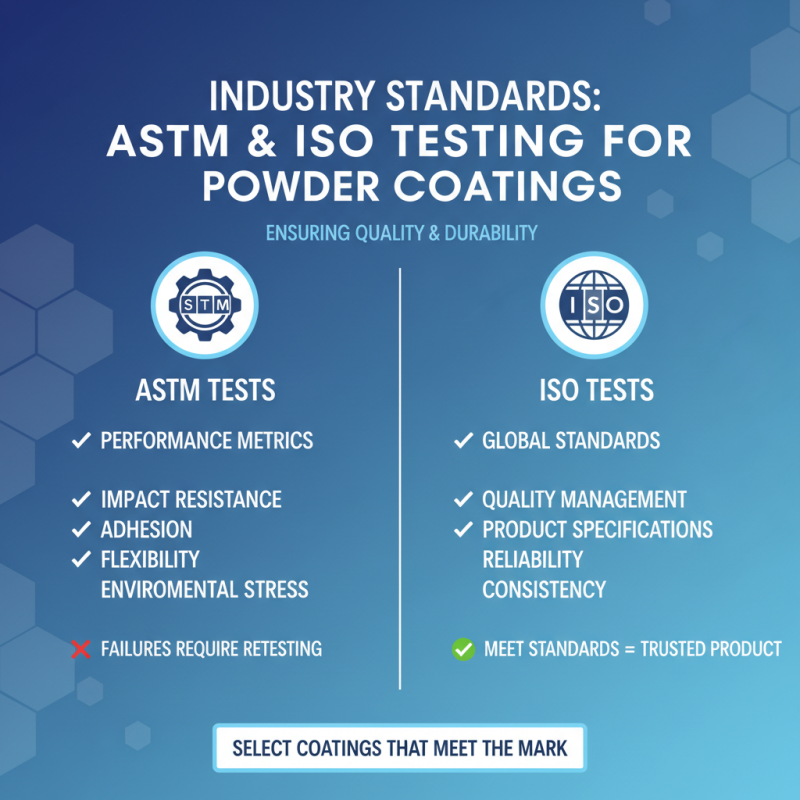
When selecting powder coating for your products, understanding industry standards is vital. ASTM and ISO tests ensure quality durability. ASTM tests focus on performance metrics. They evaluate impact resistance, adhesion, and flexibility. These criteria are essential in determining how well the coating withstands environmental stress. Products that fail to meet these standards may require further testing.
ISO standards provide a broader framework. They address the environmental impact and safety of coatings. Compliance with ISO means a coating is recognized globally. However, not all powder coatings meet these rigorous benchmarks. Manufacturers should stay updated on developments in these testing standards. Understanding these tests can guide better decision-making, ensuring longevity and reliability in your products. Some products may look great initially but may not hold up over time. A discrepancy in standards can lead to disappointing outcomes.
Comparing Powder Coating Applications: Indoor vs. Outdoor Use
When choosing a powder coating for outdoor applications, durability is key. Outdoor environments subject coatings to UV rays, moisture, and extreme temperatures. According to industry standards, coatings must withstand these elements without fading, chipping, or peeling. Research indicates that well-formulated outdoor powder coatings can have a lifespan of over 20 years, compared to indoor coatings, which often last 5-10 years.
Indoor applications, however, have their own set of considerations. Indoor environments typically lack the same level of harsh exposure. Yet, they require a finish that holds up against scratches and everyday wear. Selecting a powder coating that provides adequate hardness and abrasion resistance is crucial. The AAMA (American Architectural Manufacturers Association) sets guidelines that detail the minimum performance requirements for indoor coatings, emphasizing that even in low-exposure settings, quality matters.
One challenge manufacturers face is balancing cost and performance. While high-end outdoor finishes offer excellent resistance, the price can be a barrier. Some cost-effective options may not last as long, leading to more frequent reapplications. This can undermine short-term savings. Therefore, evaluating the true cost of longevity is vital for making informed decisions.
How to Choose Durable Powder Coating for Your Products? - Comparing Powder Coating Applications: Indoor vs. Outdoor Use
| Coating Type |
Durability |
Best Suited For |
Environmental Resistance |
Typical Applications |
| Polyester Powder Coating |
High |
Indoor and Outdoor |
UV Resistant |
Furniture, Architectural Structures |
| Epoxy Powder Coating |
Moderate |
Indoor Only |
Chemical Resistant |
Automotive Parts, Appliances |
| Polyurethane Powder Coating |
Very High |
Indoor and Outdoor |
Tensile Strength, UV Resistant |
Heavy Machinery, Outdoor Equipment |
| Baked Enamel Coating |
High |
Indoor and Outdoor |
Weatherproof |
Windows, Outdoor Fixtures |
Selecting the Right Finish: Gloss, Matte, and Texture Considerations
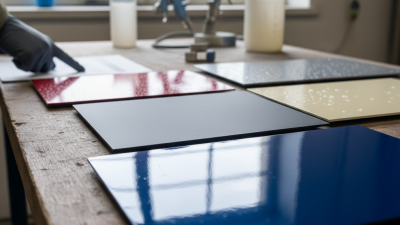
When selecting the right powder coating finish, consider gloss, matte, and texture options. Glossy finishes offer high shine and are easier to clean. They reflect light well, enhancing vibrant colors. However, they may show fingerprints and scratches more prominently. In contrast, matte finishes provide a soft look. They can hide imperfections but may be harder to clean. Choosing between these options often depends on product use and aesthetic goals.
Texture adds another layer of consideration. Textured coatings can provide grip and durability. They can also help to hide any surface flaws effectively. Think about where the product will be used. If it’s for outdoor items, texture may enhance performance against elements. Choosing the right finish requires thoughtful reflection on both appearance and functionality. Each option carries its strengths and challenges. Balance them to suit your specific needs.
Durability of Different Powder Coatings